Executive Summary
During product development, a leading medical device manufacturer partnered with our team to implement the SuperTrak GEN3™ platform as the foundation of their automation process. While the manufacturer sought FDA approvals, they identified that SuperTrak CONVEYANCE™ could be used during early-stage process development.
The modularity offered by SuperTrak GEN3™ would also allow for future growth as market adoption grew, and their high-speed automation process could scale in line with market demands quickly and efficiently.
About the client
This medical device manufacturer operating out of the United States was looking to bring a new product to market, so they needed a Smart Conveyance solution that could grow with them from validation to FDA approval and beyond.

The objectives
Our partner was eager to get their product into production but as with any new product, there is an element of significant business risk. Product specifications change and market projections are uncertain early in the lifecycle.
This company wanted to build a process that would not only meet their immediate production targets but also allow quick scalability.
Key Takeaways
- The gradual deployment of their Smart Conveyance system
- How their process improved at each stage of implementation
- The results they achieved
The Process
STAGE 1
Manual Automation Process
STAGE 2
Semi-Autonomous (6 ppm)
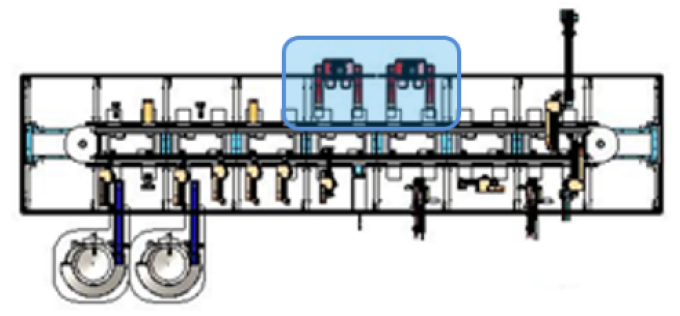
STAGE 3
Fully Automated (35 ppm)
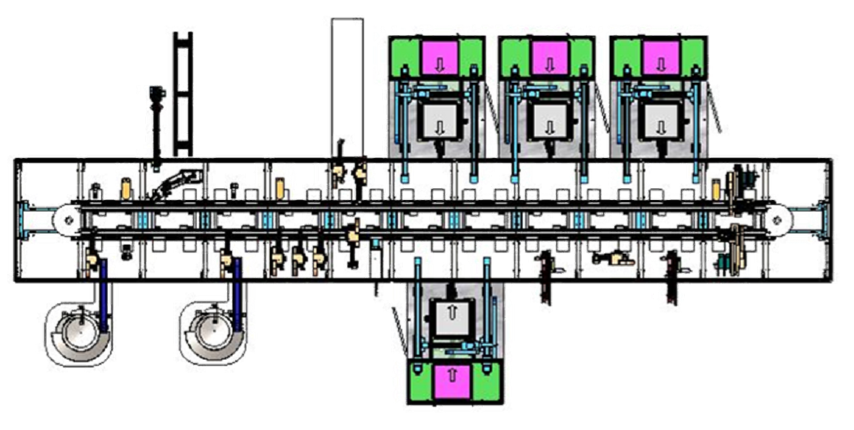
STAGE 4
High-Speed Full Automation Process (140 ppm)
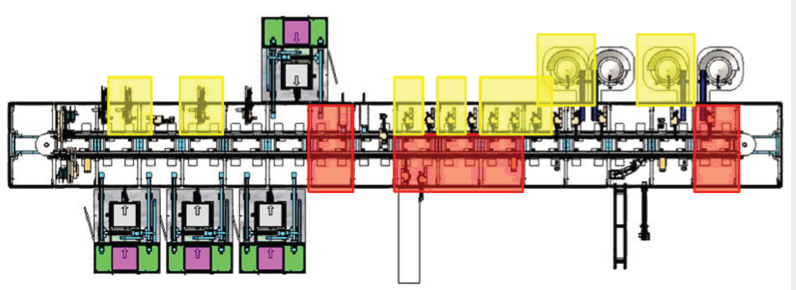
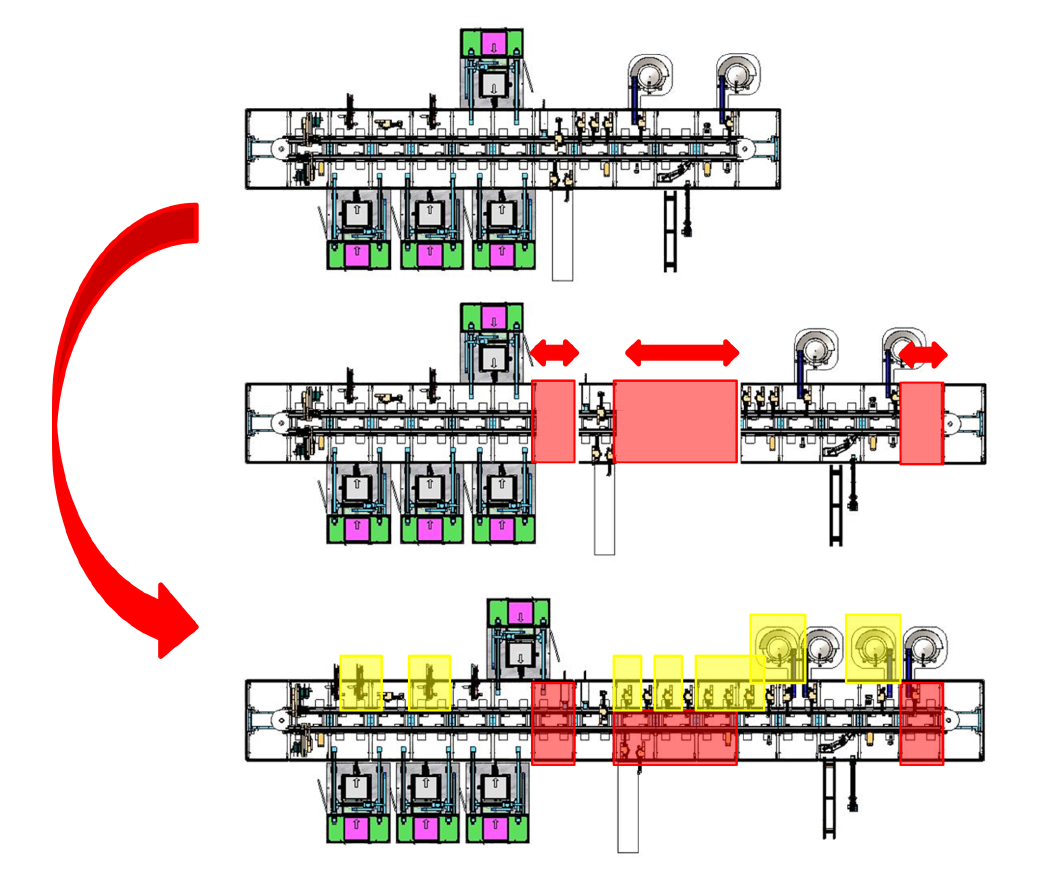
The gradual implementation of SuperTrak GEN3™ helped this client succeed with their pre-FDA approval volumes and seamlessly scale up after receiving their FDA approval.
The Results
The client was able to go from 6 PPM with a semi-autonomous process to 140 PPM full automated process. They built in future flexibility by using a modular system like SuperTrak GEN3™. So, as their product and as the demand for it grows, they won’t need to overhaul their system or look for lots of additional floorspace.
Not only were they able to scale quickly, our partners were able to do so while maximizing the overall system value – optimizing both the cost of the technology itself as well as the footprint to provide maximum production per square foot.